

April 02, 2022
Victor
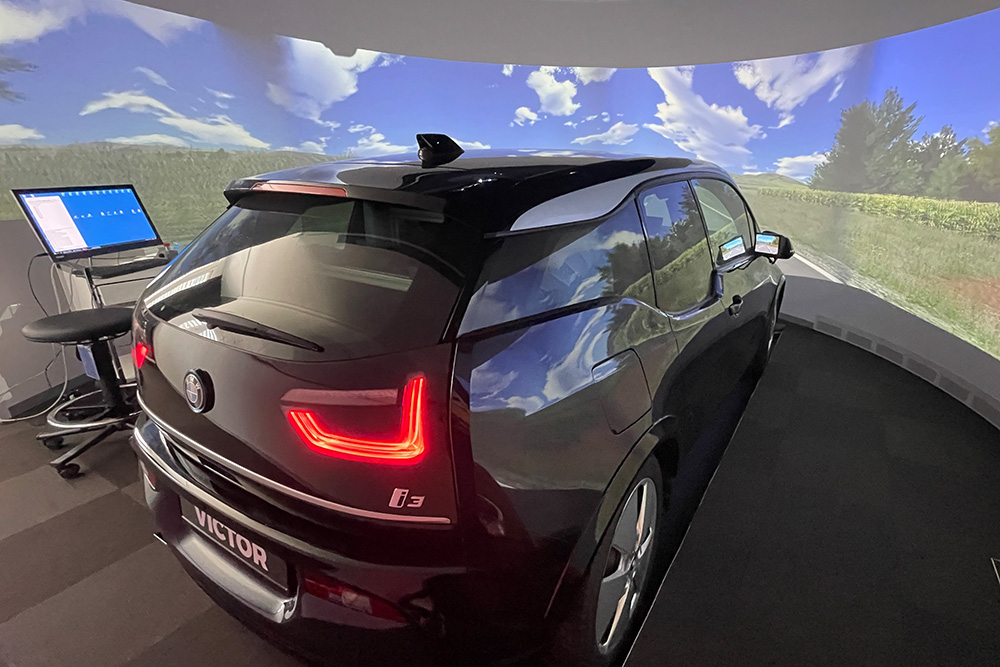
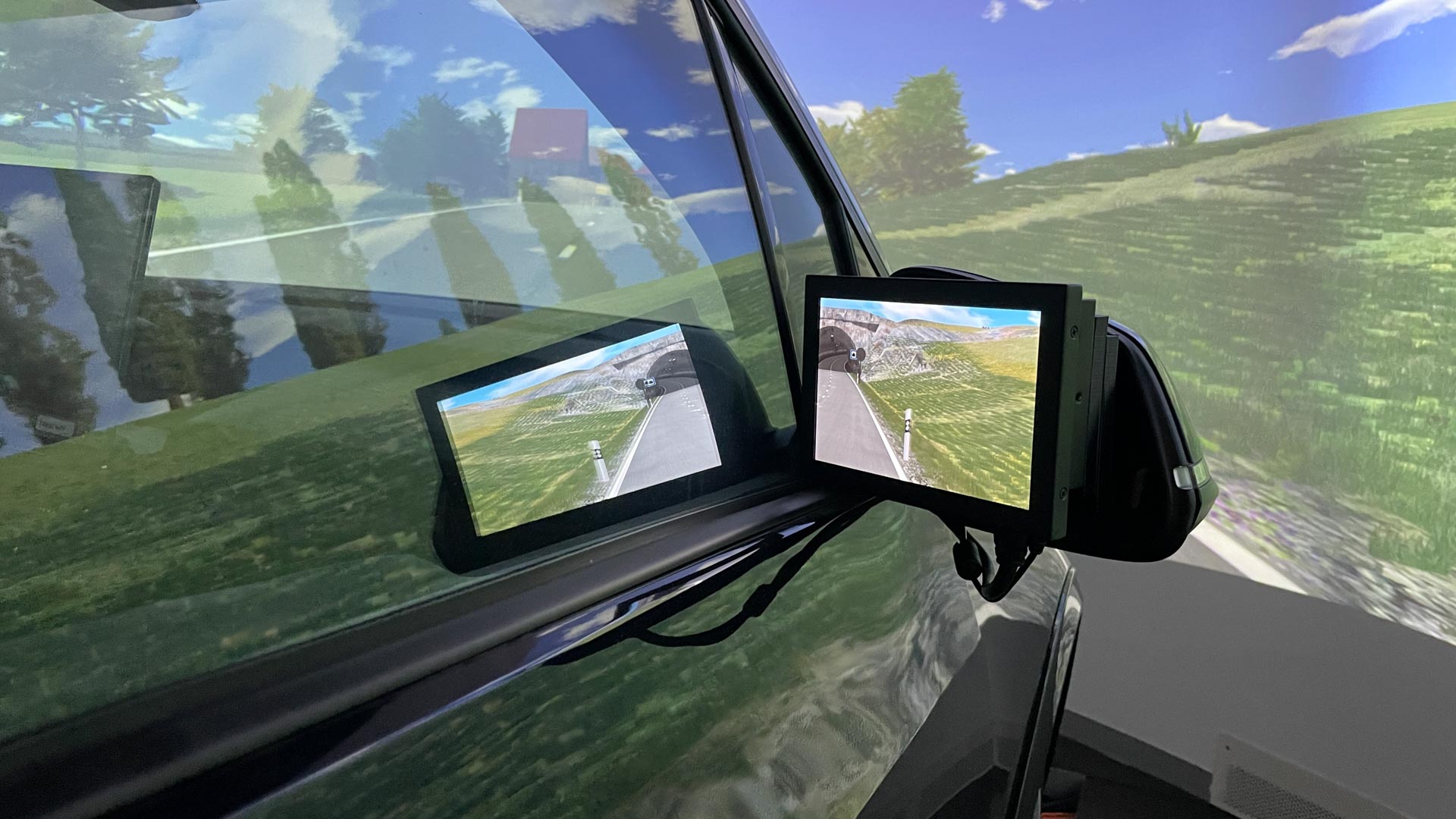
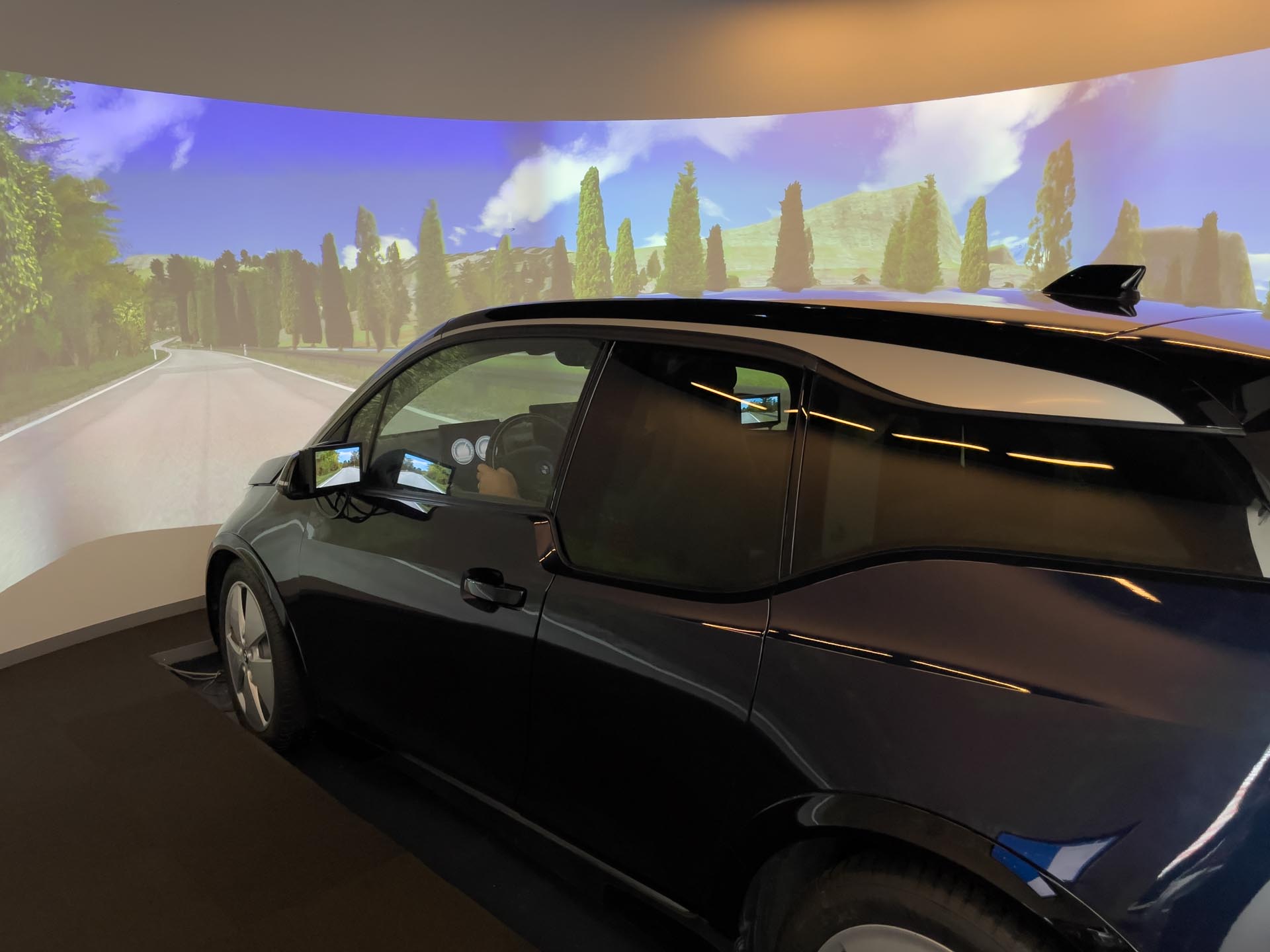
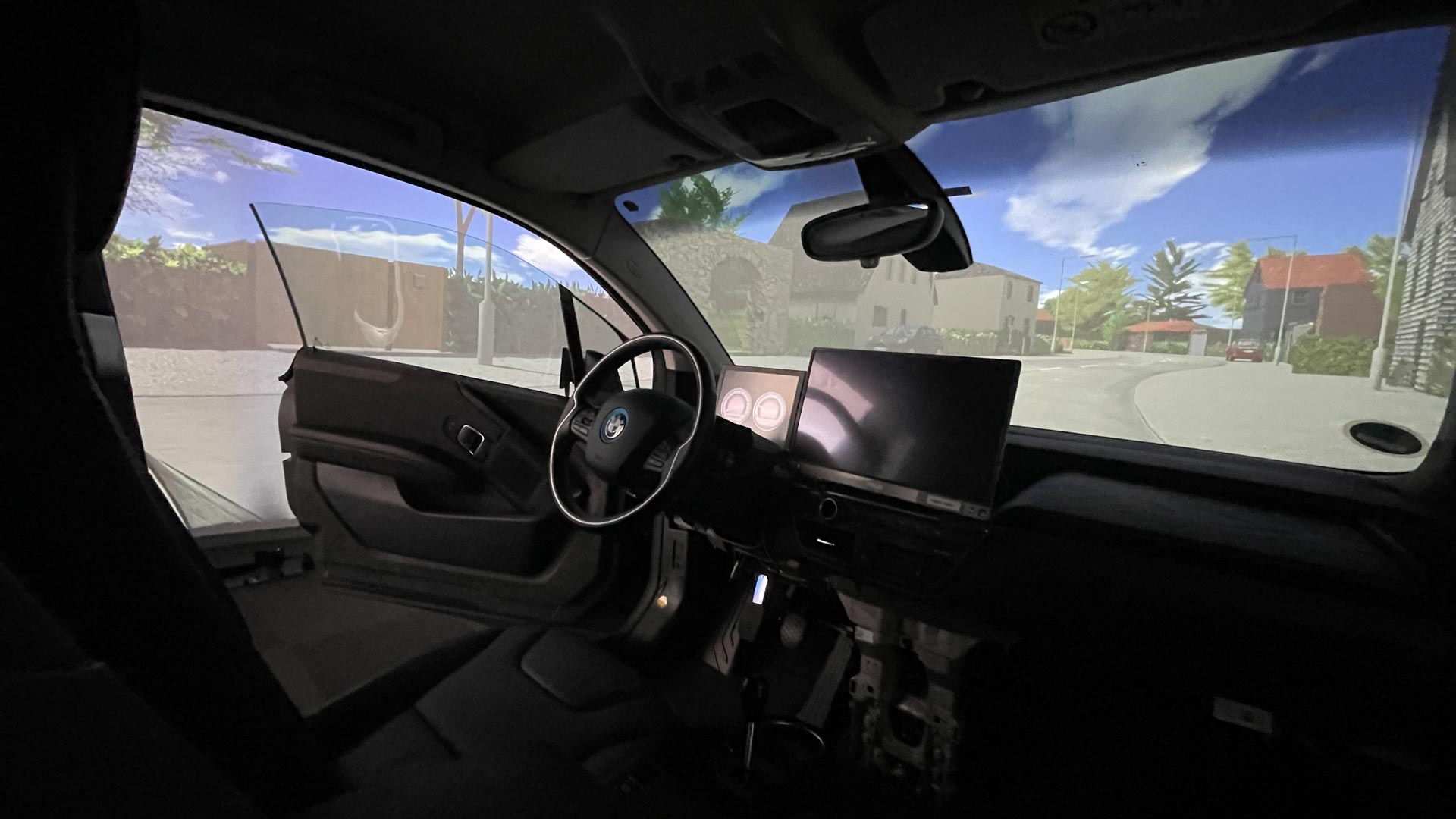
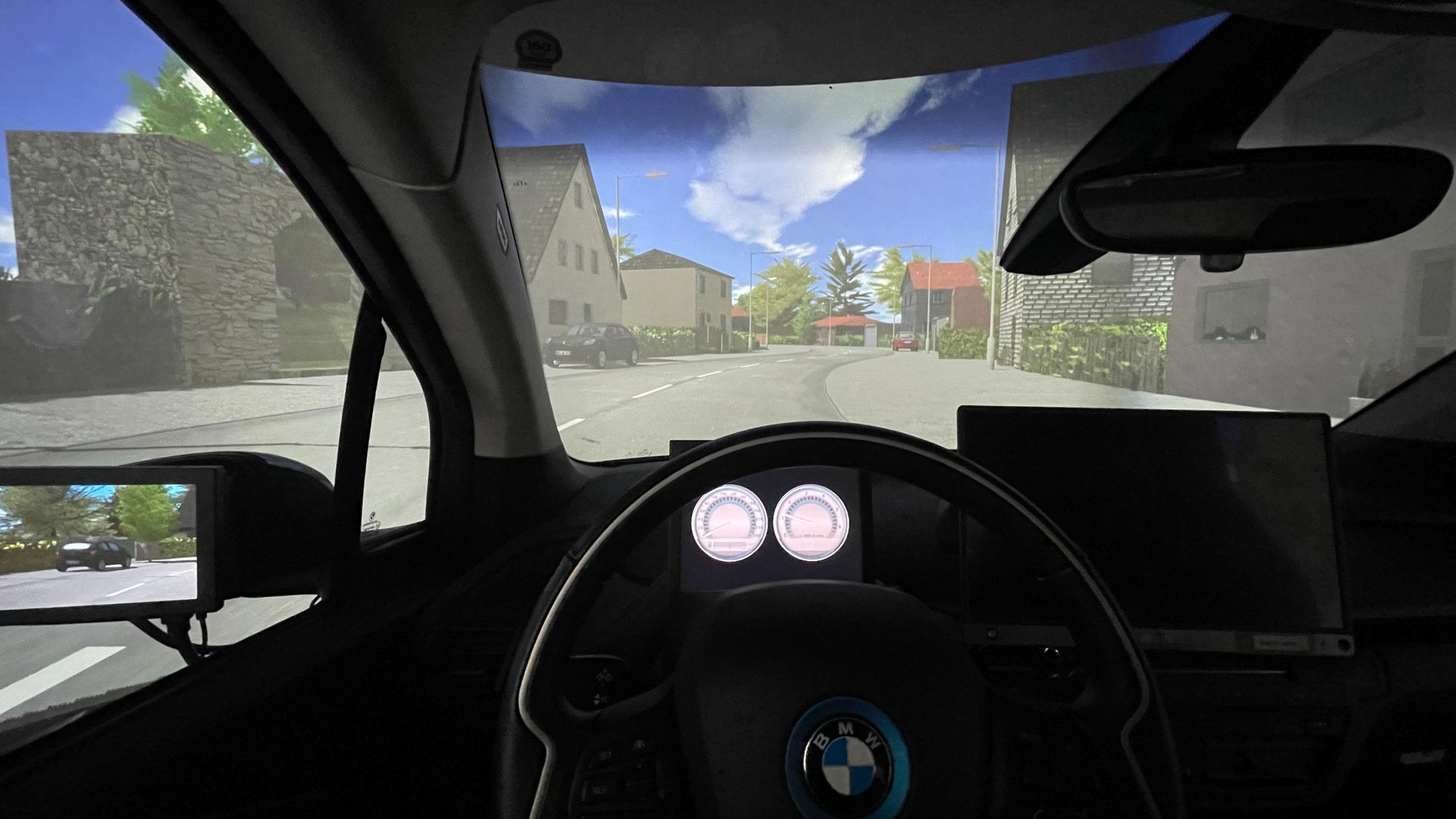
Traffic Medicine Research at the University of Zurich.
More Projects
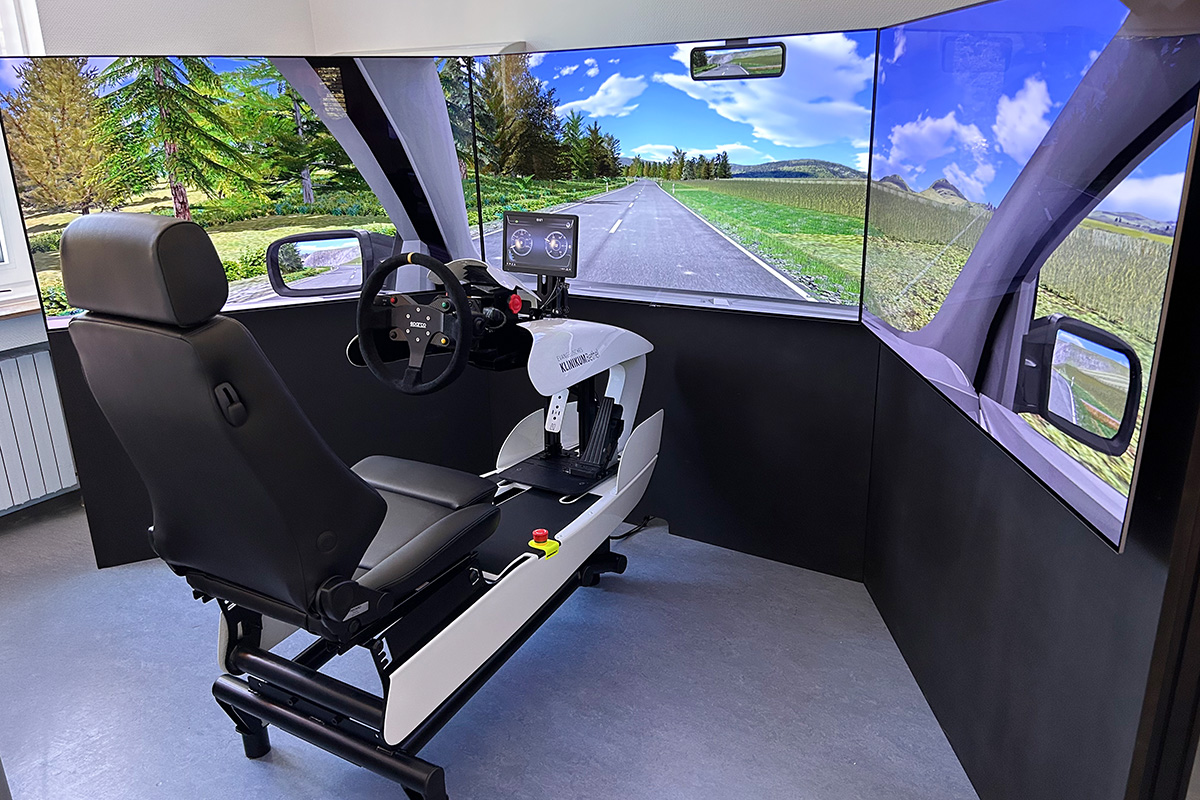
Fitness to Drive
Simulation meets university medicine - in collaboration with the Würzburg Institute for Traffic Sciences, the simulator was...
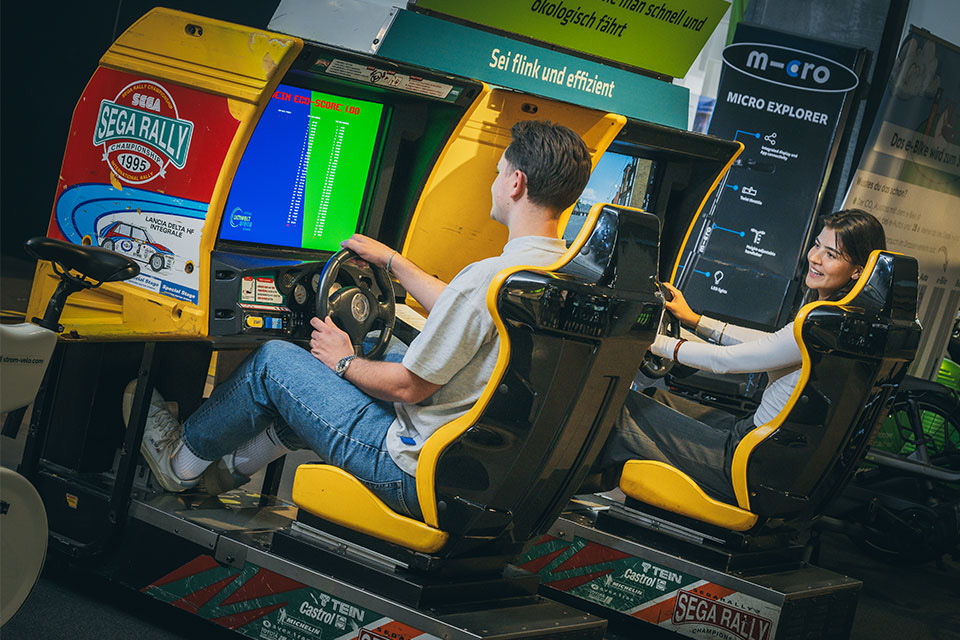
Eco Rally
An interactive driving simulator installation that playfully shows visitors how energy-efficient and environmentally conscious...
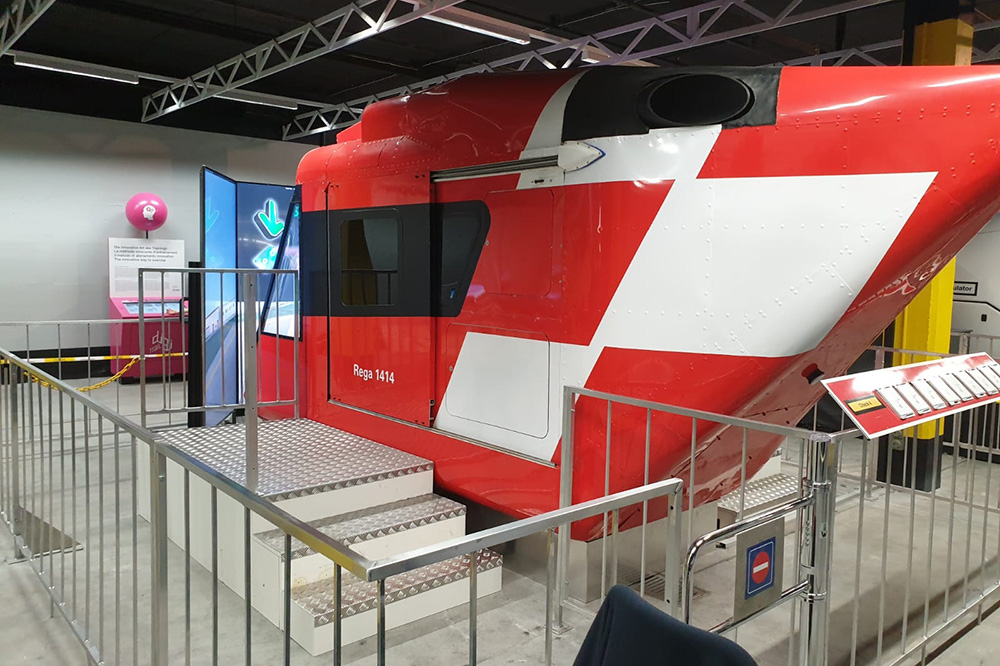
Helicopter
As part of a complete overhaul, both hardware and software were revised in close collaboration with experts...
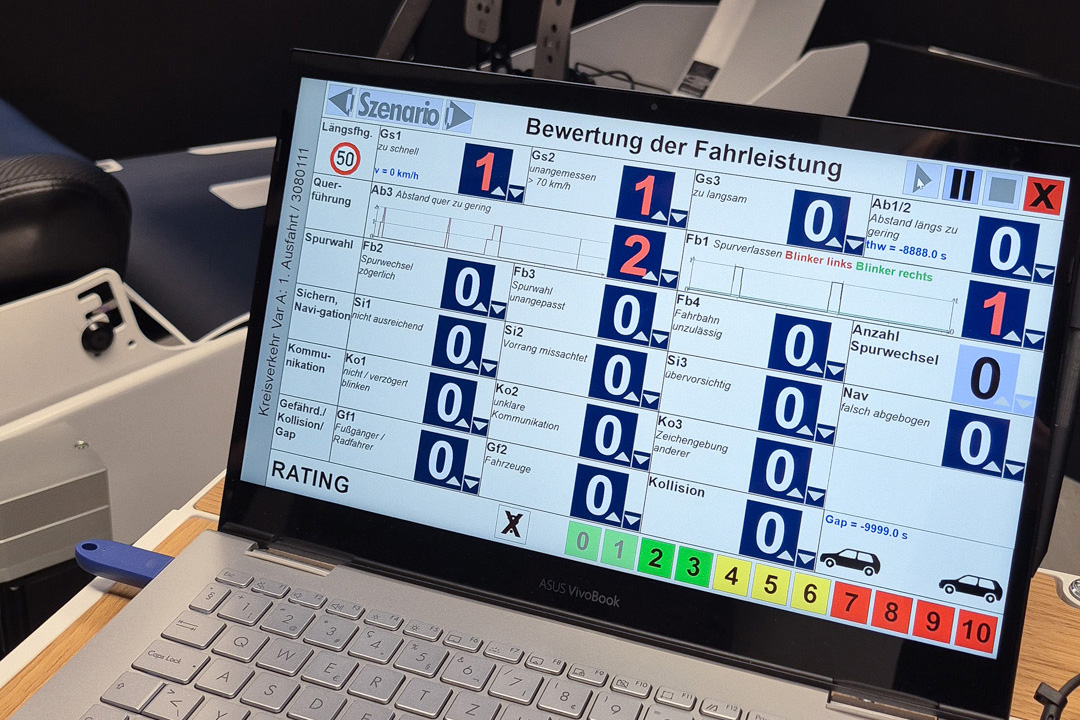
Driving Data
Klinik Lengg in Zurich is the Swiss competence center for epileptology and neurological rehabilitation. Together...
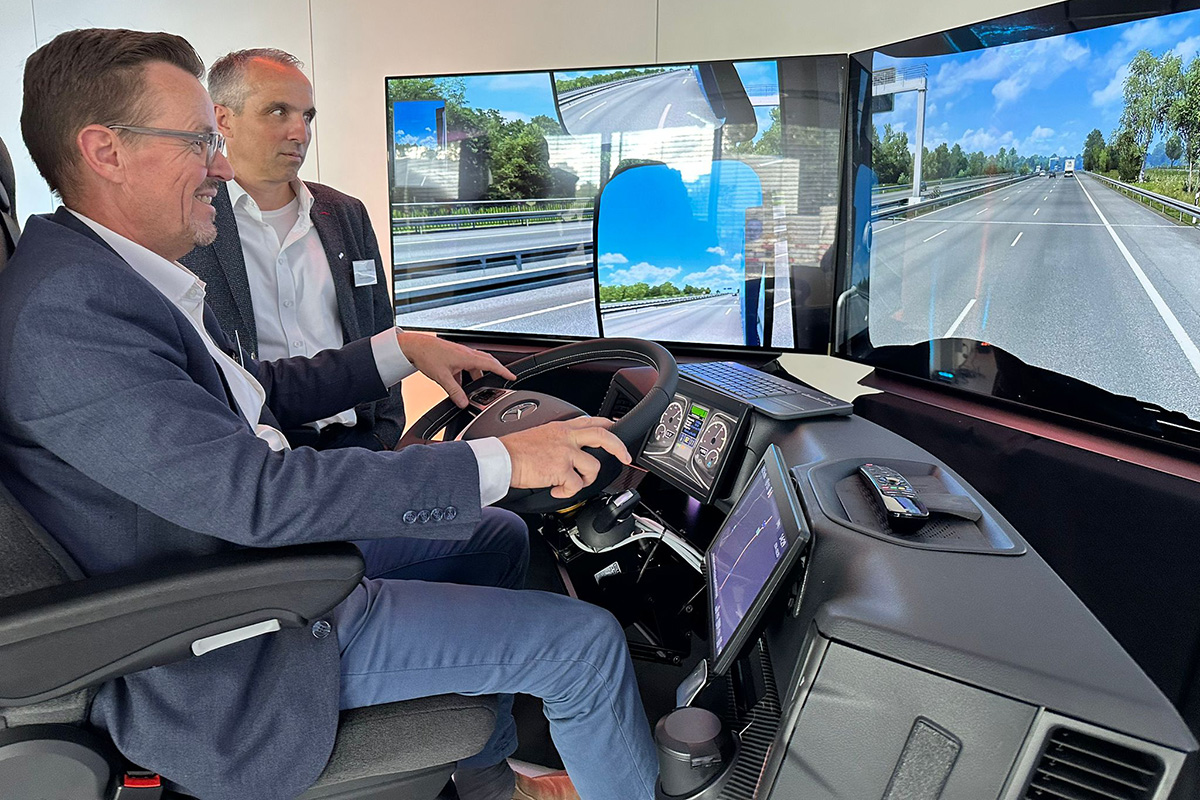
Truck Simulation
Simulators are no longer just for car drivers. Whether emergency personnel, professional chauffeurs, or truck drivers in the...

ECODRIVE
Spritsparendes Fahren, Verkehrssicherheit und ökologisches Bewusstsein lassen sich nicht nur theoretisch vermitteln — sie müssen erlebt werden...
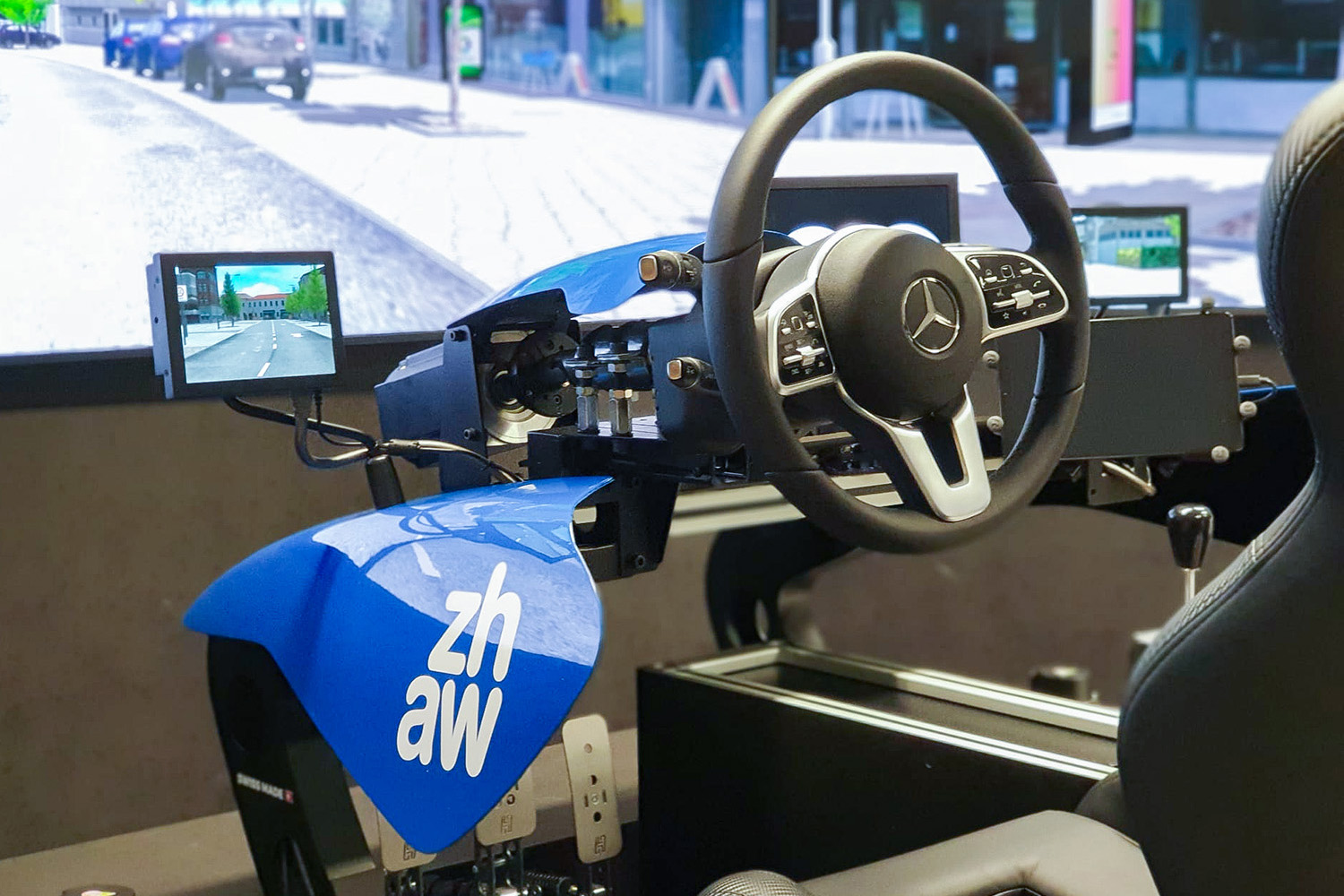
TRAFFIC PSYCHOLOGY
The simulator is extensively used there for Human Factors research and teaching, making ZHAW a...